Built on a manufacturing heritage. Delivered on Gulf soil.
Arab Energies Solar is a regional execution arm - not a start-up standing up its first project. Our supply chain, engineering discipline, and manufacturing throughput already exist at industrial scale in two other markets.
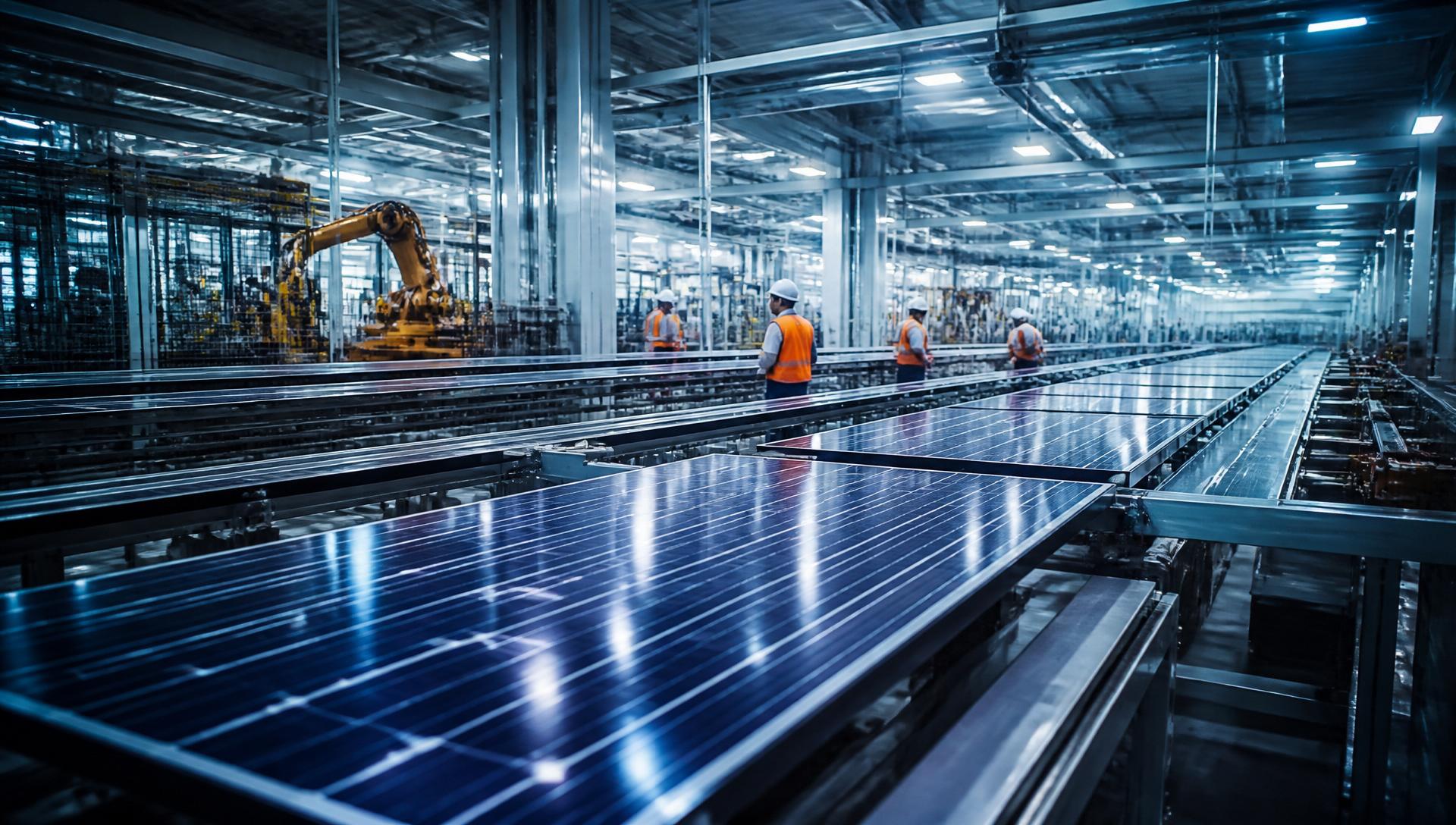 Group manufacturing footprint · Nagpur, India
Origin
The group's roots are in module manufacturing at WorldOne Energies - a 2 GW facility in Nagpur, India, in continuous operation for more than seven years and serving over 10,000 customers across India and the UAE.
That factory is the reason Arab Energies Solar exists. A regional EPC team is only as strong as the supply chain behind it, and the group's manufacturing base gives the Gulf arm something most regional EPCs don't have: modules and storage from a supplier the delivery team is part of, not one it phones.
Platform
The group's manufacturing programme totals 12 GW of modules and battery storage capacity across India and Canada. Canadian Energies is developing a 10 GW integrated gigafactory campus in Canada - bifacial TOPCon solar modules, grid-scale battery storage, and data-centre storage infrastructure built to onshore clean energy supply chains.
Arab Energies Solar is the Gulf-facing execution arm of that platform: EPC delivery, storage integration, and module distribution across the UAE and wider GCC market.
WorldOne Energies
2 GW solar module manufacturing. 7+ years of continuous operation. 10,000+ customers served.
Arab Energies Solar
Gulf-facing EPC, storage integration, and module distribution across the UAE and wider GCC.
Canadian Energies
10 GW integrated gigafactory campus. Bifacial TOPCon modules, grid-scale storage, and AI data-centre storage infrastructure.
Why the Gulf. Why now.
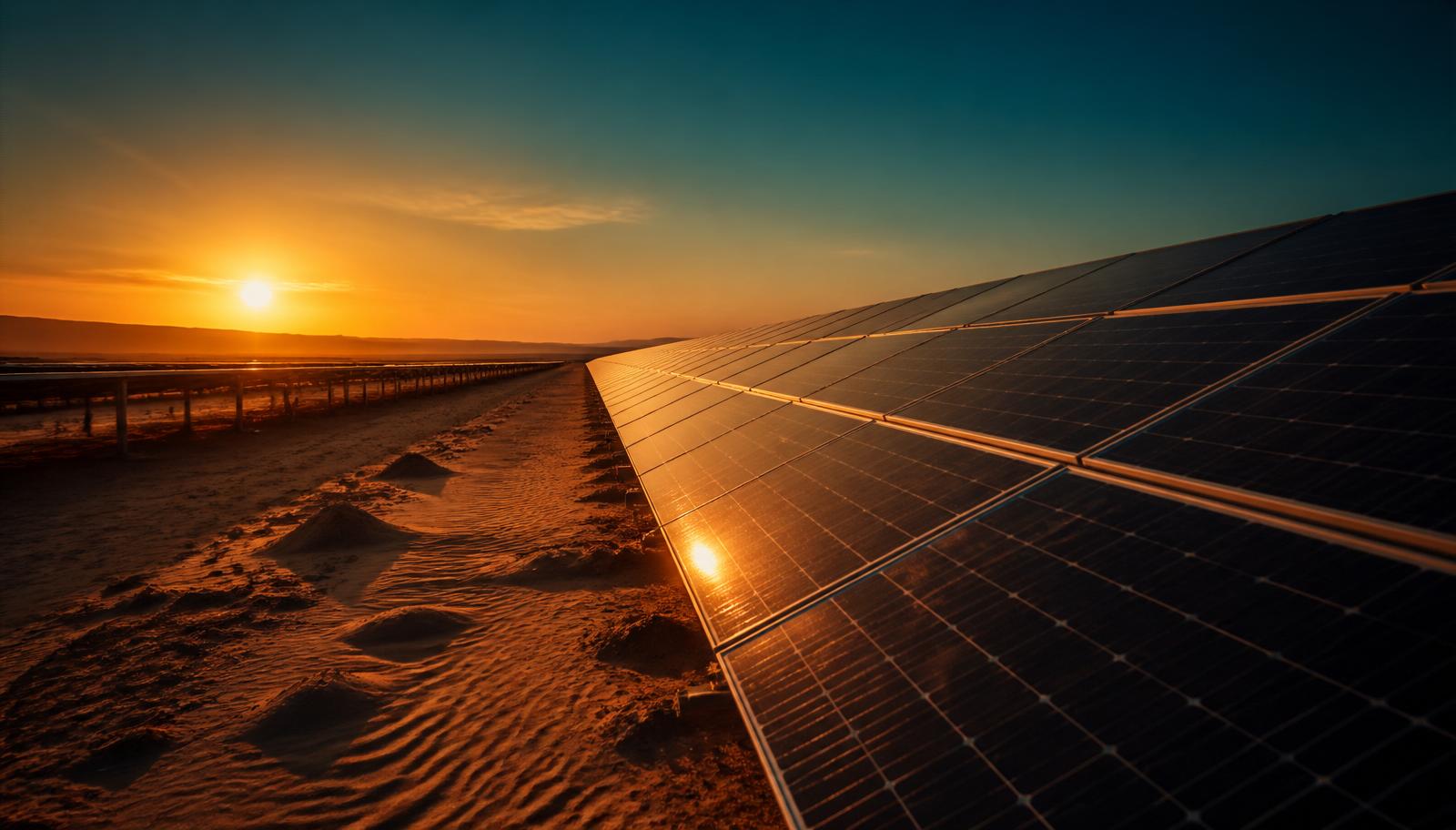
The region has some of the world's best solar irradiance, ambitious net-zero commitments, and power demand that is still growing. That combination makes the UAE and wider GCC a natural home for serious EPC execution - not import-dependent installation, but engineering capability grounded in a real manufacturing base.
Irradiance meets policy
Some of the highest solar yields on the planet, alongside national programmes actively procuring utility-scale capacity.
Storage is now table stakes
Firm capacity requirements and time-of-use pricing are moving batteries from "optional add-on" to "standard scope".
Supply chain matters
Utilities and IPPs are increasingly asking where modules come from, not just what they cost. We have an answer to that question.